
From Gen Con Sensation to Swift Recall: The Story of Ace of Spades
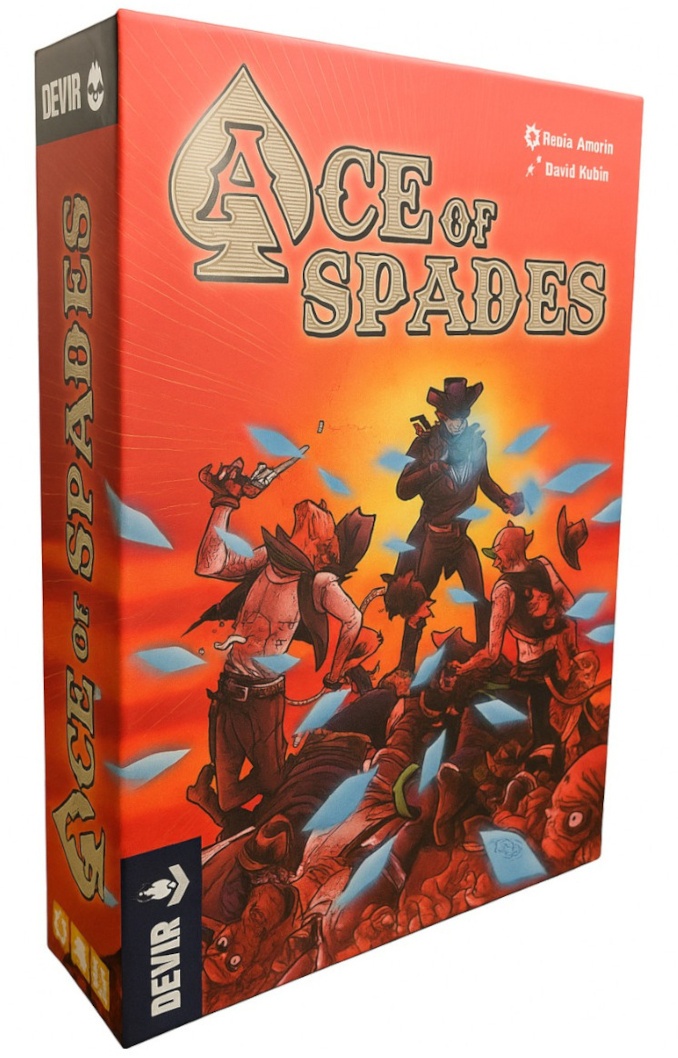
Gen Con 2025 was a whirlwind of new releases, demos, and buzz, and among the titles making the biggest splash was Devir’s new game, Ace of Spades. The Western-themed, Balatro-inspired poker card game was a hit with attendees, generating significant interest and quickly selling out. But within days of the convention’s close, the conversation around Ace of Spades shifted from a “Gen Con darling” to a somber and necessary discussion about representation and responsibility.
The Rise and Fall: A Gen Con Hit
The game’s premise—a solo or two-player boss-battling game where players use poker hands to defeat monsters and necromancers—captured the attention of many. Its fun, horror-western theme and a popular publisher like Devir made it an obvious contender for one of the convention’s most talked-about games. Attendees and online commentators alike pointed to Ace of Spades as a must-play, and the limited supply sold out each morning. The excitement was palpable, and it seemed Devir had a major hit on their hands.
The Backlash and Devir’s Response
However, as more people got their hands on the game and began to examine the cards more closely, a serious problem emerged. Several pieces of artwork were immediately called out as culturally insensitive and racist. The most egregious examples included a “fugitive” card depicting a half-naked Black man in chains, with a disturbing facial expression. and a “slaver” card. Additionally, depictions of Indigenous people, such as a card portraying Sitting Bull with glowing red eyes and horns, were also criticized for their harmful stereotypes.
Devir, in a move that has been widely praised for its speed and sincerity, did not hesitate. They issued an immediate apology, acknowledging that the illustrations were “inappropriate” and “trivialized a painful and deeply rooted historical reality.” They clarified that the art was intended as an homage to the film Django Unchained, but they recognized this was a “serious mistake” that caused real harm.
A Model of Accountability
Devir’s response went far beyond a simple apology. They have taken concrete steps to address the issue, including:
- Halting all sales and initiating a full recall of all copies of Ace of Spades.
- Committing to replacing the offensive artwork and making the new cards available free of charge to anyone who purchased the game.
- Conducting a comprehensive internal review of the entire game to identify and replace any other potentially offensive content.
- Re-evaluating their internal editorial and design processes to prevent similar incidents in the future.
- Pledging to seek expert consultation on diversity and cultural representation for all future projects.
This event is a powerful, if unfortunate, example of a company taking full responsibility for a mistake and prioritizing ethical and social responsibility over profit. The story of Ace of Spades is a cautionary tale for the industry, but Devir’s handling of the situation provides a positive path forward for creators and publishers to listen, learn, and do better.
Discover more from DDO Players
Subscribe to get the latest posts sent to your email.
One thought on “From Gen Con Sensation to Swift Recall: The Story of Ace of Spades”
-
Pingback: Revised Edition of Ace of Spades Returns This May – DDO Players


Leave a Comment