
A Review of Vampire: The Masquerade – Milan Uprising
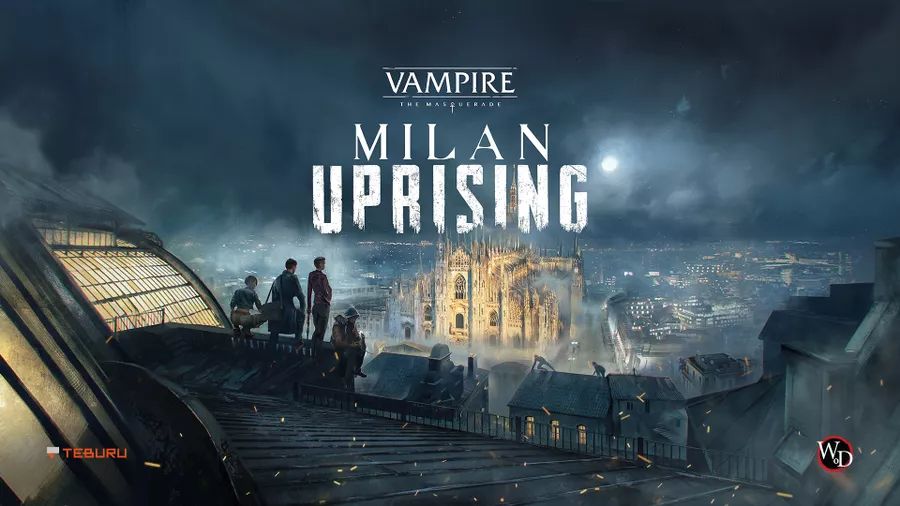
Vampire: The Masquerade – Milan Uprising is, at its core, a testament to what the World of Darkness can achieve when its narrative heart is fully realized. This interactive experience—available exclusively on the Teburu smart board system—weaves a compelling, darkly political web that perfectly captures the paranoia and cold-blooded ambition of the Kindred. Set against the backdrop of historical and modern Milan, the game plunges the player into a complex dance between the established Camarilla, rising Anarch elements, and the ancient machinations of the city’s powerful Elder, The prince all while dealing the Hand of St. Ambrose. While the overall experience is profoundly satisfying and exceptionally immersive, a significant, distracting flaw holds it back from true greatness: the clunky, friction-filled technical implementation of the Teburu board and its smart dice.
The greatest strength of Milan Uprising lies undeniably in its masterful storytelling. The writers have managed to craft a story that feels genuinely personal while having massive political stakes. Every choice feels weighty, impacting not just your character’s immediate survival but the precarious balance of power in the entire Domain. You aren’t just reading a story; you are living the slow, agonizing process of political advancement, betrayal, and maintaining the Masquerade. The characters, from your newly formed coterie to the ancient figures pulling the strings, possess depth and moral ambiguity worthy of the best World of Darkness lore. The narrative pacing is near perfect, building tension through whispered secrets and back-alley deals before erupting into visceral conflicts. For fans who come to VTM for the rich, decadent drama, this game is a narrative feast that solidifies Milan as one of the most exciting recent settings.
Beyond the narrative brilliance, the atmospheric design of the experience enhances the core appeal. The art style is evocative, using color and shadow to convey the requisite Gothic punk aesthetic. When the mechanics do work seamlessly, the feeling of being an apex predator navigating a society that both relies on and reviles you is intoxicating. The game successfully uses its structure to force difficult decisions regarding humanity and kindred ethics, often putting you in no-win scenarios where every path feels stained with blood. This deep sense of immersion is what keeps players invested through the long, often brutal acts of the campaign.
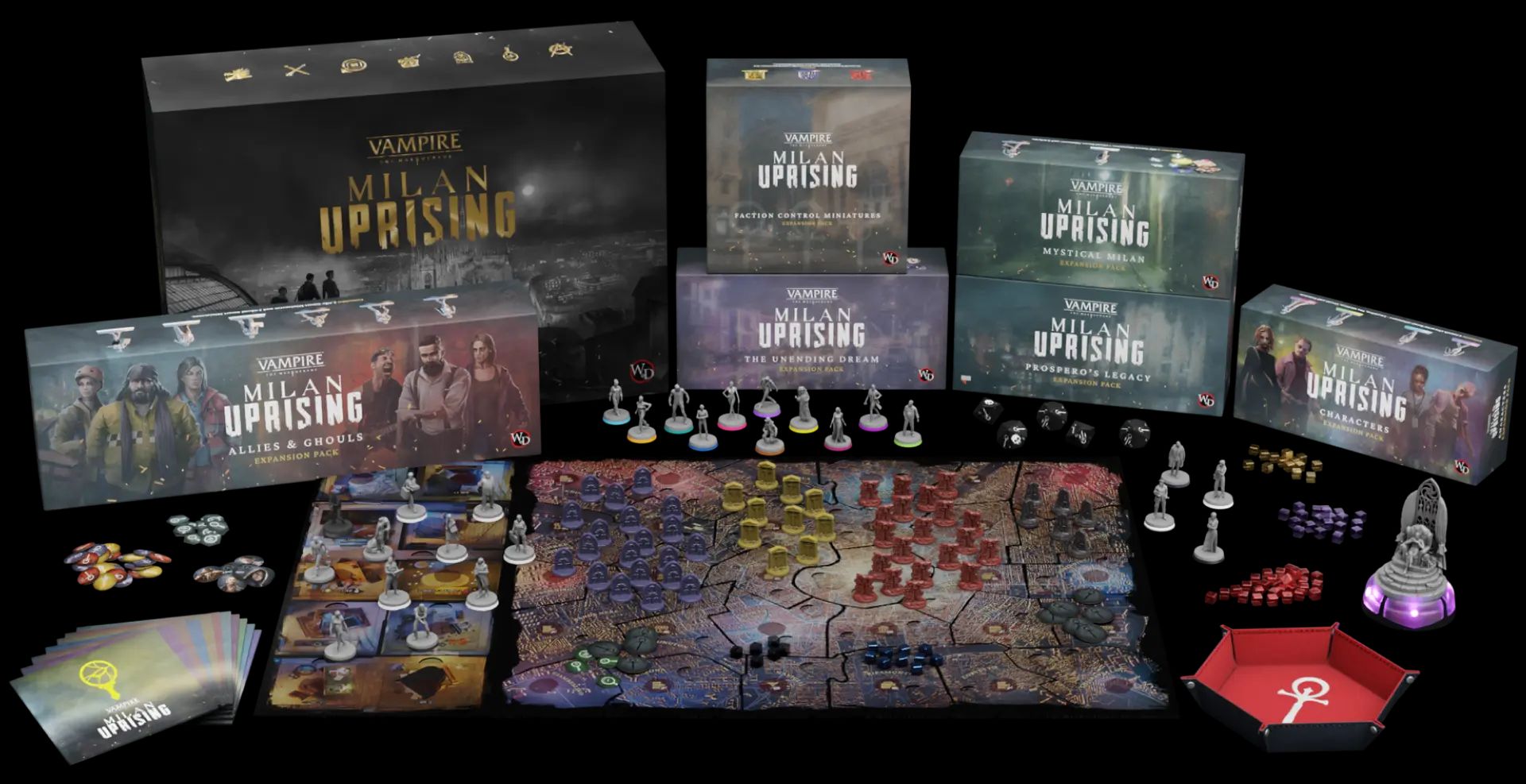
However, the immersion that the superb writing builds is too frequently, and too jarringly, shattered by the game’s single biggest drawback: the technical execution of the Teburu system itself. The companion app, which is the engine driving the entire narrative and ruleset, suffers from frustrating stability issues, with user reports frequently citing app crashes, especially when attempting local multiplayer sessions or resuming long campaigns. This forces players to abruptly exit the experience, sometimes losing progress or facing corrupted save files—a catastrophic issue for a campaign-driven game.
More acutely frustrating is the interaction with the physical smart components. The Teburu smart dice are intended to automate dice pool calculation, but they are notoriously unreliable. A significant portion of the game involves skill checks driven by these dice, yet rolls often fail to register with the board, or the system registers a “cocked” die result, requiring the player to repeatedly shake and re-roll. This issue is compounded by reports of the dice holding a charge poorly or failing to pair correctly after charging, turning a simple roll of the dice into a time-consuming, momentum-killing battle against unresponsive technology. The Teburu board, while conceptually clever for tracking miniature placement and area control, often necessitates tedious, square-by-square movement inputs, dragging out actions that a human brain could process in seconds. This constant friction—the need to stop the story flow to wrestle with poorly optimized software and buggy hardware—is the single biggest hurdle to enjoyment. It takes the player out of the midnight politics and puts them squarely back into the frustrating reality of poorly coded software.
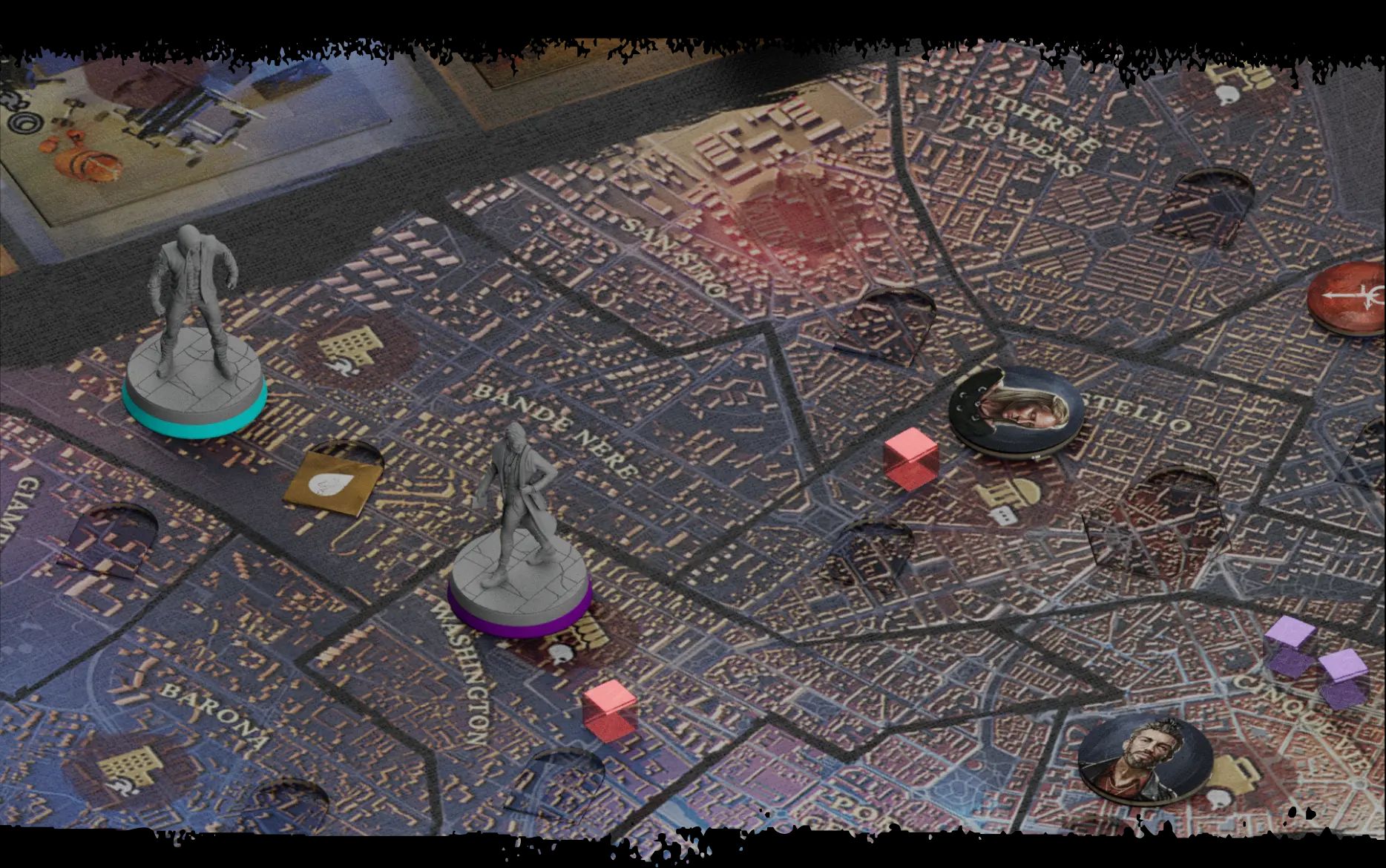
Ultimately, Vampire: The Masquerade – Milan Uprising is an exceptional experience weighted down by technical clumsiness. If you are a die-hard fan of the setting, willing to tolerate considerable friction, including app crashes, charging woes, and repeated re-rolls, for a narrative that is absolutely worth the effort, jump in. The story of Milan is too well-crafted to ignore, and it stands as a shining example of narrative design in the World of Darkness. It earns a strong recommendation, but only with the stern caveat that you must be prepared to look past its profound mechanical and technical shortcomings.
Disclaimer: I purchased this copy of Vampire: The Masquerade – Milan Uprising via the Gamefound campaign.
Discover more from DDO Players
Subscribe to get the latest posts sent to your email.


Leave a Comment