
Supreme Court Strikes Down Unilateral Executive Tariffs
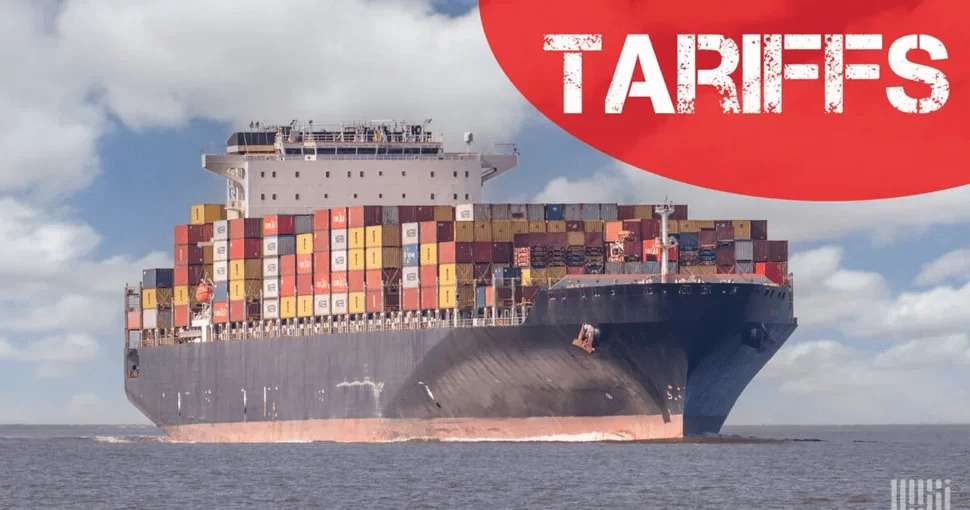
In a landmark ruling that will reshape the U.S. trade landscape, the Supreme Court ruled today, February 20, 2026, that the Executive Branch lacks the constitutional authority to unilaterally set or change tariffs. The decision reaffirms a fundamental principle of American governance: the power to levy taxes belongs exclusively to Congress.
The 6-3 decision—with Justices Samuel Alito, Clarence Thomas, and Brett Kavanaugh dissenting—delivers a major blow to the Administration’s aggressive use of trade levies since early 2025.
The Legal Breakdown: IEEPA vs. The Constitution
The core of the legal battle centered on the International Emergency Economic Powers Act (IEEPA). The Administration had been using this act as a legal “skeleton key” to dictate tariff policy, arguing it fell under executive emergency powers.
However, the majority of the Court disagreed. In the majority opinion, Chief Justice John Roberts clarified that the Executive Branch cannot simply rebrand a tax as an “emergency regulation.”
“The Framers did not vest any part of the taxing power in the Executive Branch,” Roberts wrote. “The Court says nothing today about whether, and if so how, the Government should go about returning the billions of dollars that it has collected from importers. But that process is likely to be a mess.”
Why This Matters for Small Businesses and Creators
For industries that rely heavily on global supply chains—specifically the games and comics industries—this ruling is a massive sigh of relief. Since the current tariff policy began in April 2025, these sectors have faced:
-
Skyrocketing Costs: Production and shipping prices surged, forcing many publishers to increase MSRPs or cancel projects.
-
Widespread Uncertainty: Because the tariffs were often changed “on a whim,” businesses found it nearly impossible to plan long-term budgets or inventory.
-
Business Closures: Smaller publishers and independent comic shops operated on razor-thin margins that were being eroded by the unpredictable taxes.
This ruling restores a level of predictability to the market, providing a “critical hit” of confidence for creators and retailers alike.
What Happens Next? (The $133 Billion Question)
While the ruling is a victory, it opens a “legal pandora’s box.” Since the Administration began these collections, over $133 billion in import taxes have been paid into federal coffers.
As Chief Justice Roberts noted, the process of potentially returning these funds will likely be a logistical nightmare. We can expect a wave of significant litigation in the coming months as importers seek to recoup their losses.
Key Takeaways
| Feature | Details |
| The Vote | 6-3 (Roberts, Sotomayor, Kagan, Gorsuch, Barrett, Jackson in the majority) |
| The Impact | Unilateral executive tariffs under IEEPA are now unconstitutional. |
| The Refund Potential | Over $133 billion has been collected; refund mechanisms are TBD. |
| Future Tariffs | Congress must now explicitly authorize any sweeping new import taxes. |
Discover more from DDO Players
Subscribe to get the latest posts sent to your email.


Leave a Comment