
Disclosure: I was provided with a press review key for Vampires: Bloodlord Rising by the publisher/developer for review purposes. No monetary compensation was received, and no conditions were placed on my coverage. All opinions, criticisms, and impressions expressed in this review are entirely my own and are based solely on my personal experience with the game.
Introduction
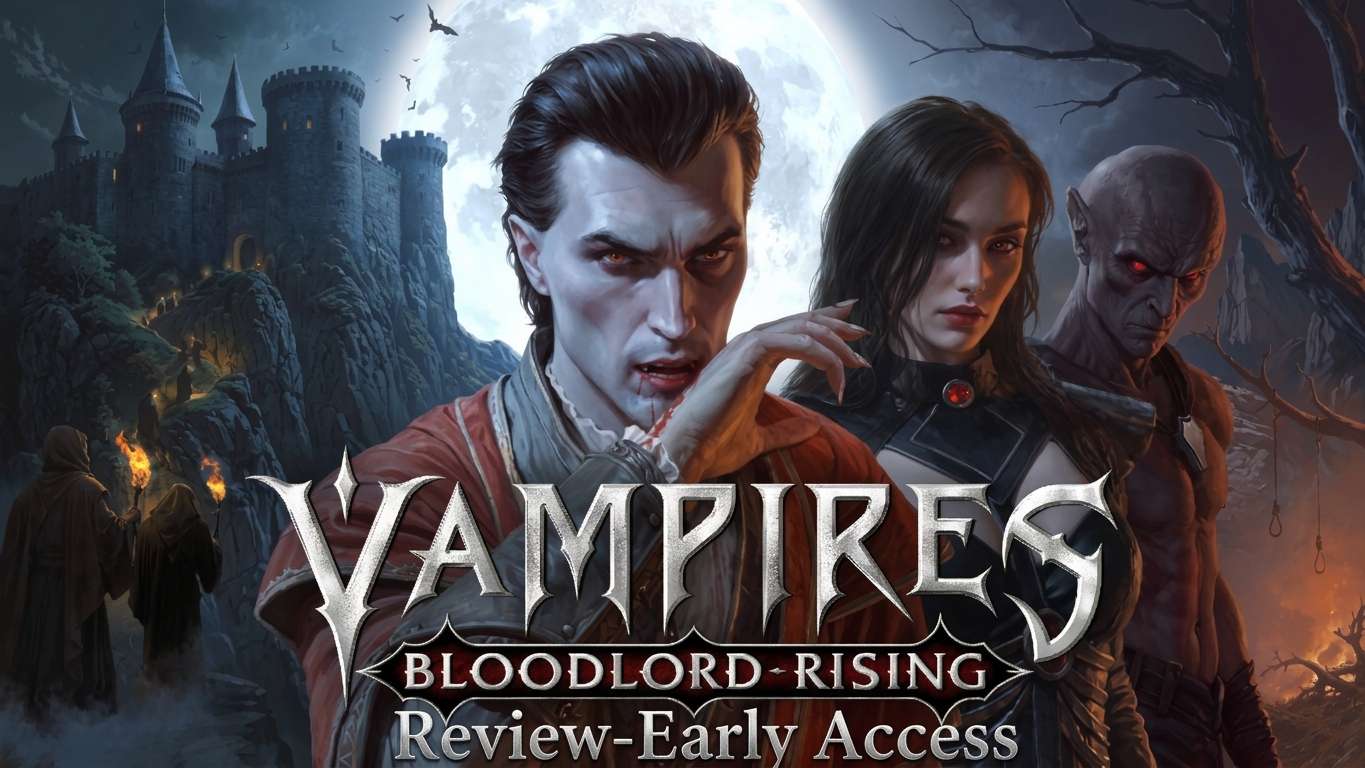
The survival-crafting genre isn’t exactly short on competition these days. Every year brings another open-world survival experience featuring resource gathering, base building, crafting stations, and endless progression loops. So when I first heard about Vampires: Bloodlord Rising, I wasn’t expecting it to stand out quite as much as it did.
After spending time with the Early Access version, I came away impressed by what the developers have already accomplished. The game is far from perfect, and there are definitely rough edges that come with an Early Access release, but there’s a solid foundation here that has kept me interested and optimistic about its future.
Perhaps the biggest surprise is that it managed to make me enjoy features that I normally avoid entirely.
Becoming a Vampire Lord
Rather than simply casting you as a powerful vampire hunting humans across an open world, Vampires: Bloodlord Rising focuses on the fantasy of rebuilding a fallen vampire empire.
You don’t just fight enemies and gather loot. You build a castle. You recruit followers. You manage resources. You expand your territory. You create an entire vampire society operating beneath the nose of the Inquisition.
This larger focus gives the game a unique identity. Instead of feeling like another survival game with a vampire skin slapped on top, it genuinely feels designed around the idea of becoming a vampire lord.
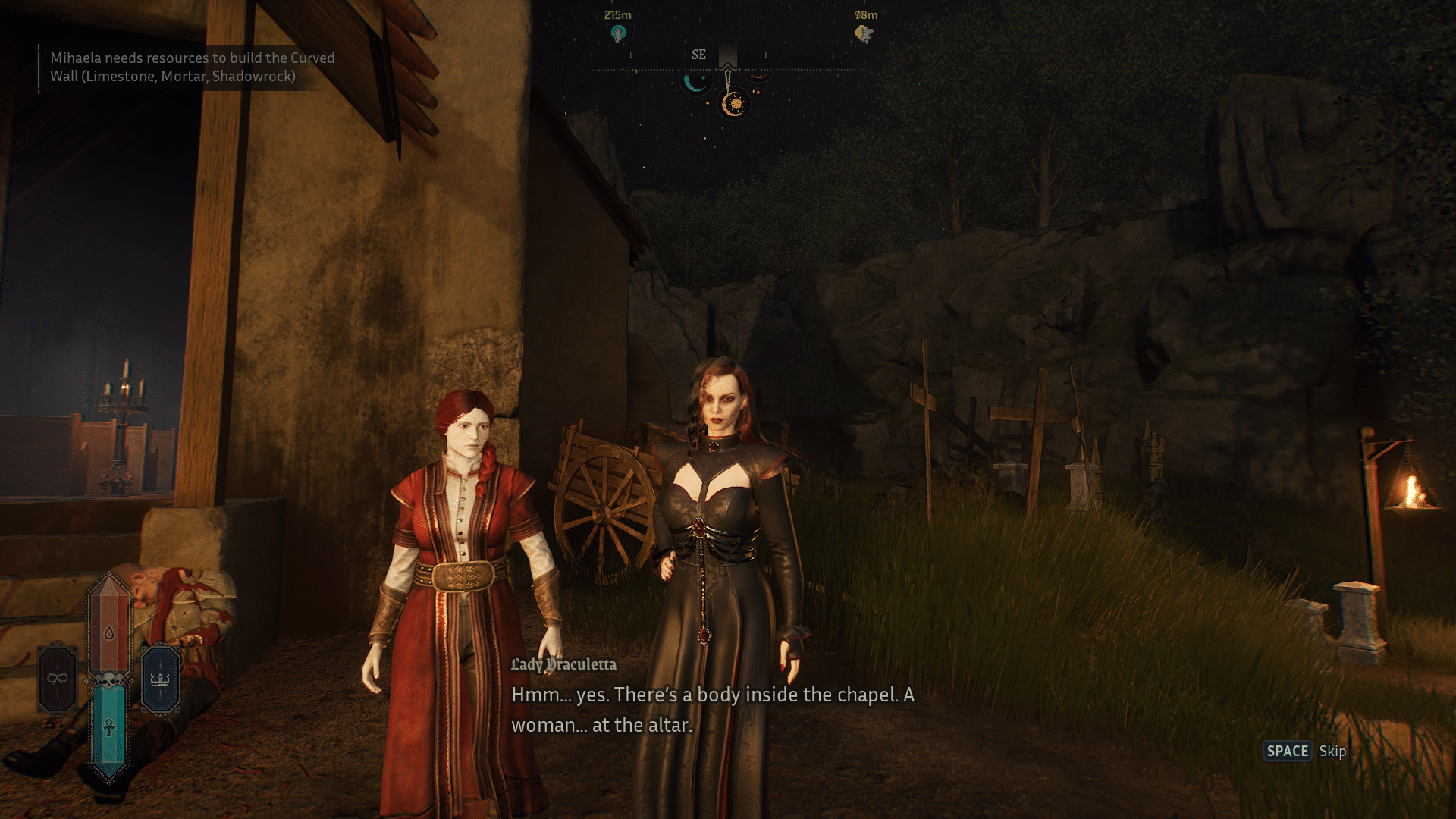
The setting itself is enjoyable to explore. The gothic atmosphere works well, the various regions feel distinct enough to encourage exploration, and the overall theme remains consistent throughout. While the story isn’t the main draw, it provides enough motivation to keep pushing forward and reclaiming more of Sangavia.
The Building System That Won Me Over
Let’s get something out of the way:
I normally don’t enjoy building mechanics.
At all.
In most games, building is simply a hurdle I need to overcome before I can get back to the parts I actually enjoy. I’ll usually create the bare minimum needed to progress and ignore the creative side almost entirely.
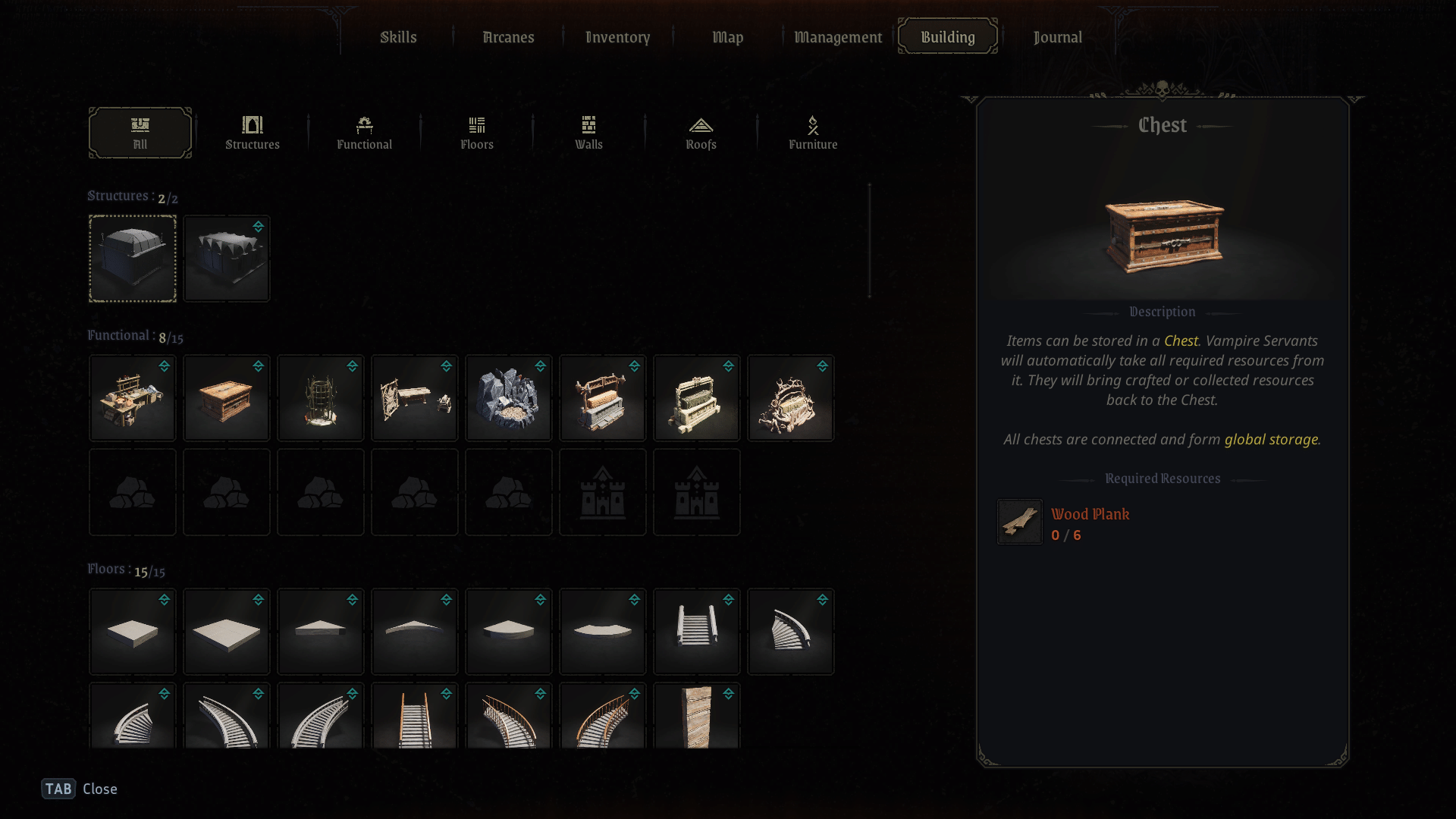
That’s why I was surprised by how much I enjoyed building in Vampires: Bloodlord Rising.
The system strikes a nice balance between accessibility and freedom. It never felt overly complicated, but it still gave me enough control to feel invested in developing my castle. Watching the ruins transform into a proper vampire stronghold provided a constant sense of progression throughout my playthrough.
Building also doesn’t feel disconnected from the rest of the game. Every room, workstation, and expansion contributes directly to your growing influence and the efficiency of your vampire operations.
By the end of my time with the game, I found myself thinking about future castle expansions in a way I rarely do with games in this genre.
Managing Your Vampire Clan
Surprisingly, the building wasn’t my biggest shock.
The management system was.
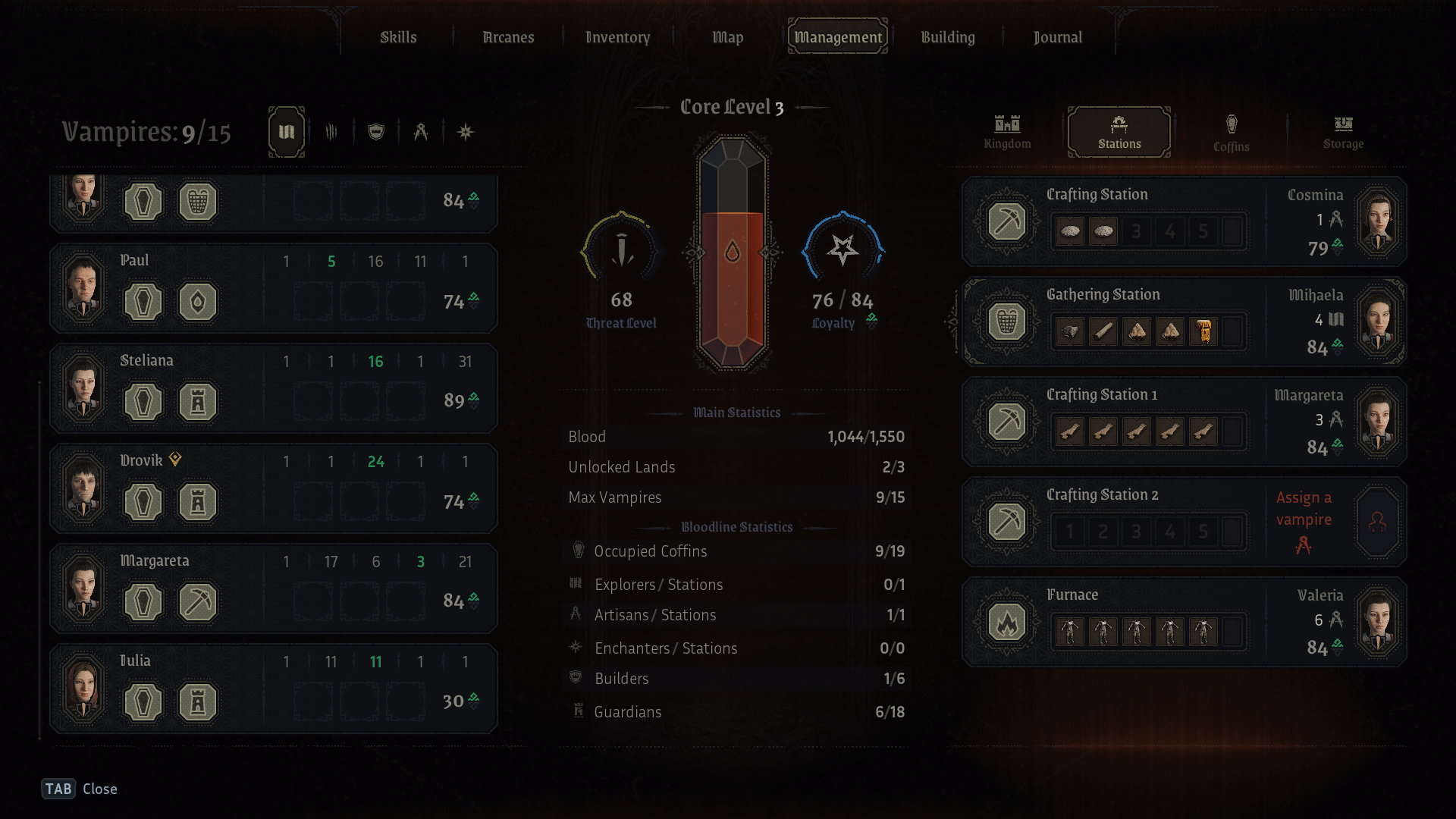
Settlement management is another genre feature that generally fails to hook me, but Vampires: Bloodlord Rising managed to make it genuinely enjoyable.
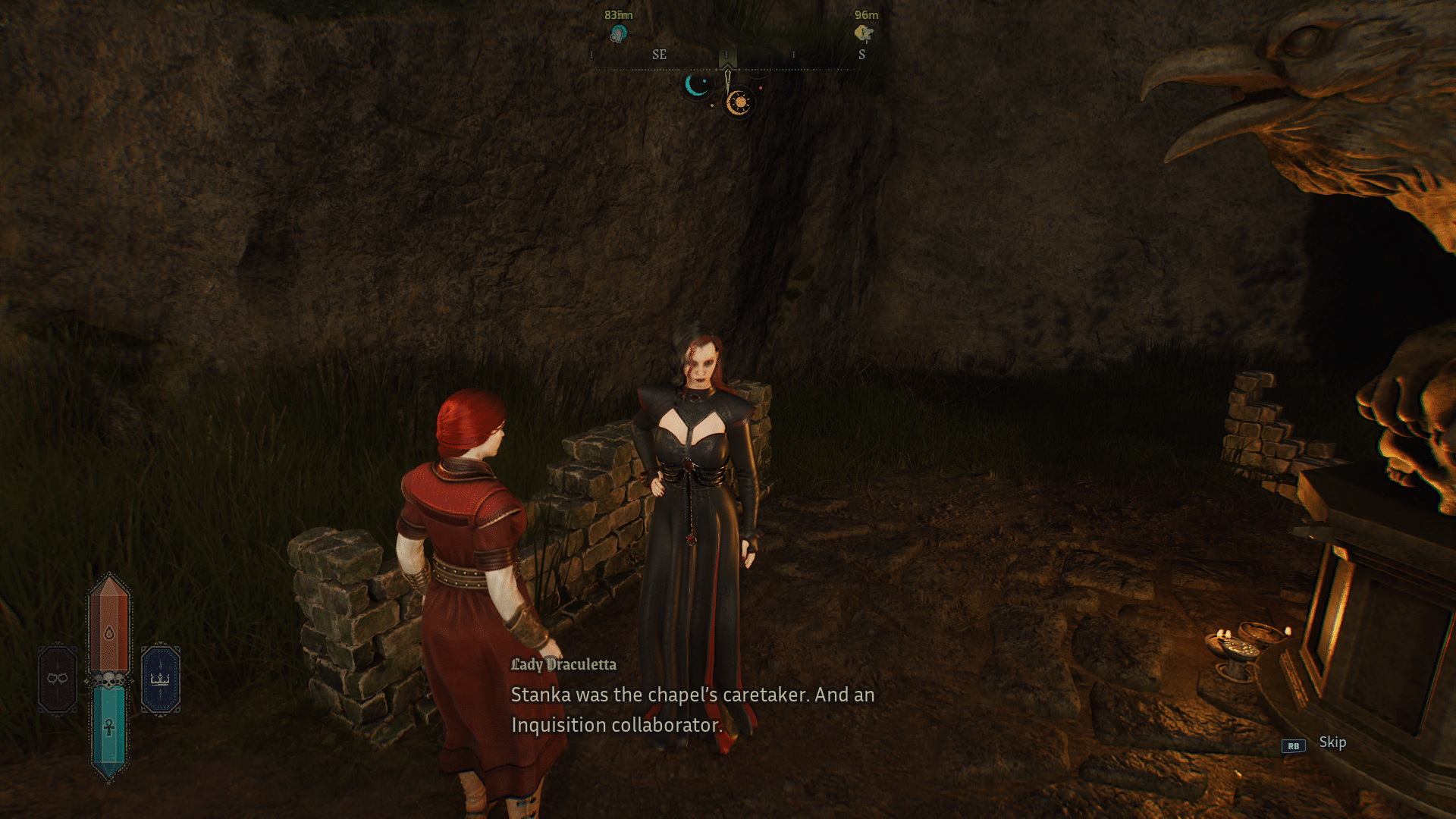
Throughout the game, you’ll recruit humans, transform them into vampires, and assign them different responsibilities within your growing domain. Some gather resources, others process materials, and together they form the backbone of your castle’s economy.
There’s a satisfying progression that comes from watching your operation transition from a handful of followers into a functioning network of workers and specialists.
That doesn’t mean the system is without flaws.
There were definitely moments where I felt frustrated because I couldn’t immediately figure out why a particular vampire wasn’t happy or why production had suddenly slowed down. The game sometimes struggles to communicate exactly what your followers need or why certain bottlenecks are occurring.
A clearer user interface and better explanations would go a long way here.
Even with those frustrations, however, I found myself enjoying the management aspect far more than expected. It adds an additional layer of strategy and depth that separates the game from many of its competitors. Instead of doing absolutely everything yourself, you’re building an organization that slowly becomes more self-sufficient over time.
That feeling of growth is one of the game’s strongest features.
Exploration, Progression, and Atmosphere
Exploration is generally enjoyable, particularly once you begin unlocking additional regions.
The world feels appropriately large for an Early Access title, and there are enough resources, objectives, and points of interest to encourage venturing away from your castle.
The vampire fantasy is also handled well.
Balancing your blood reserves, maintaining your influence over nearby settlements, interacting with humans, and expanding your control over the land all help reinforce the feeling that you’re more than just another adventurer with a health bar.
The atmosphere deserves special mention as well.
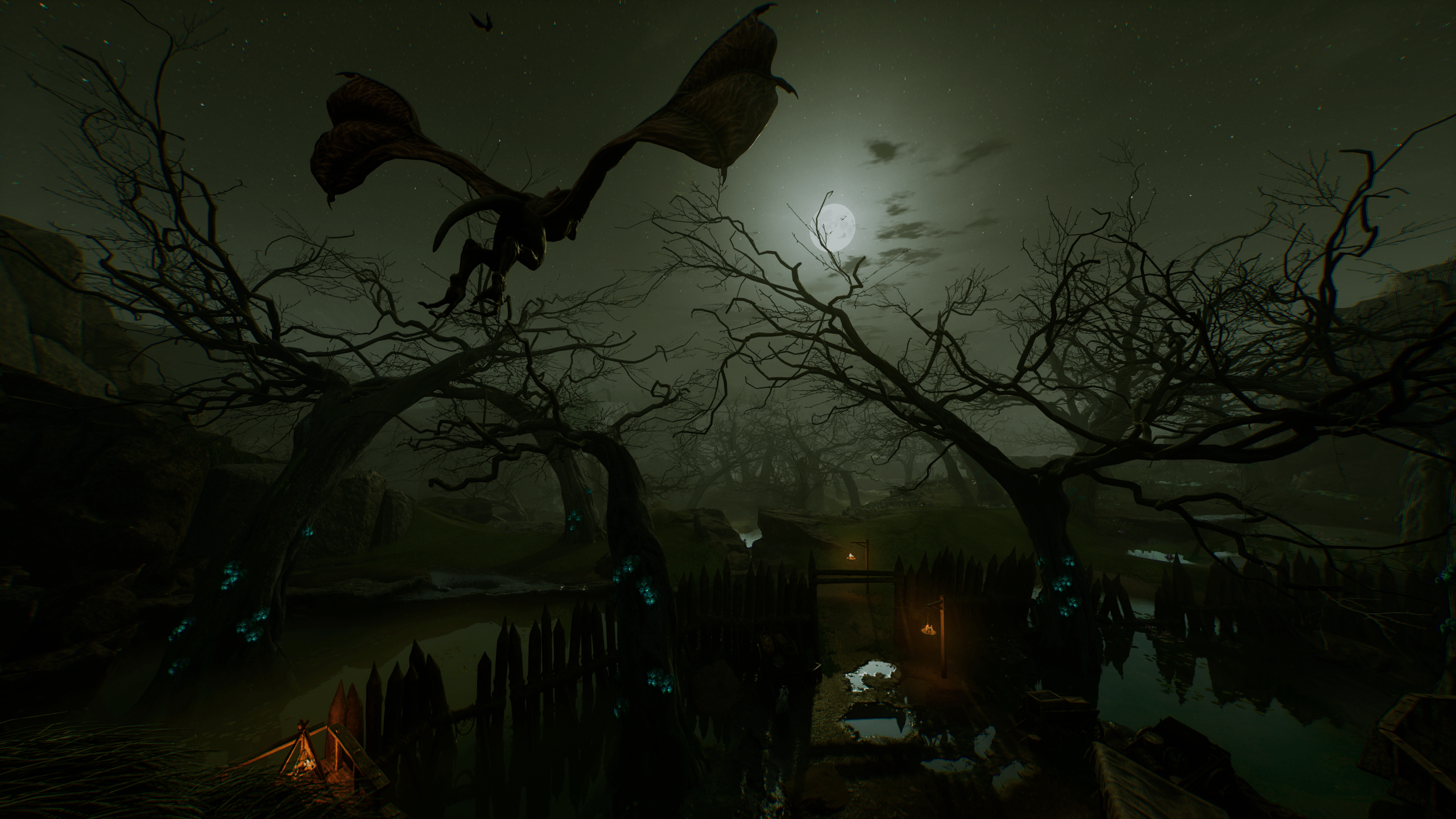
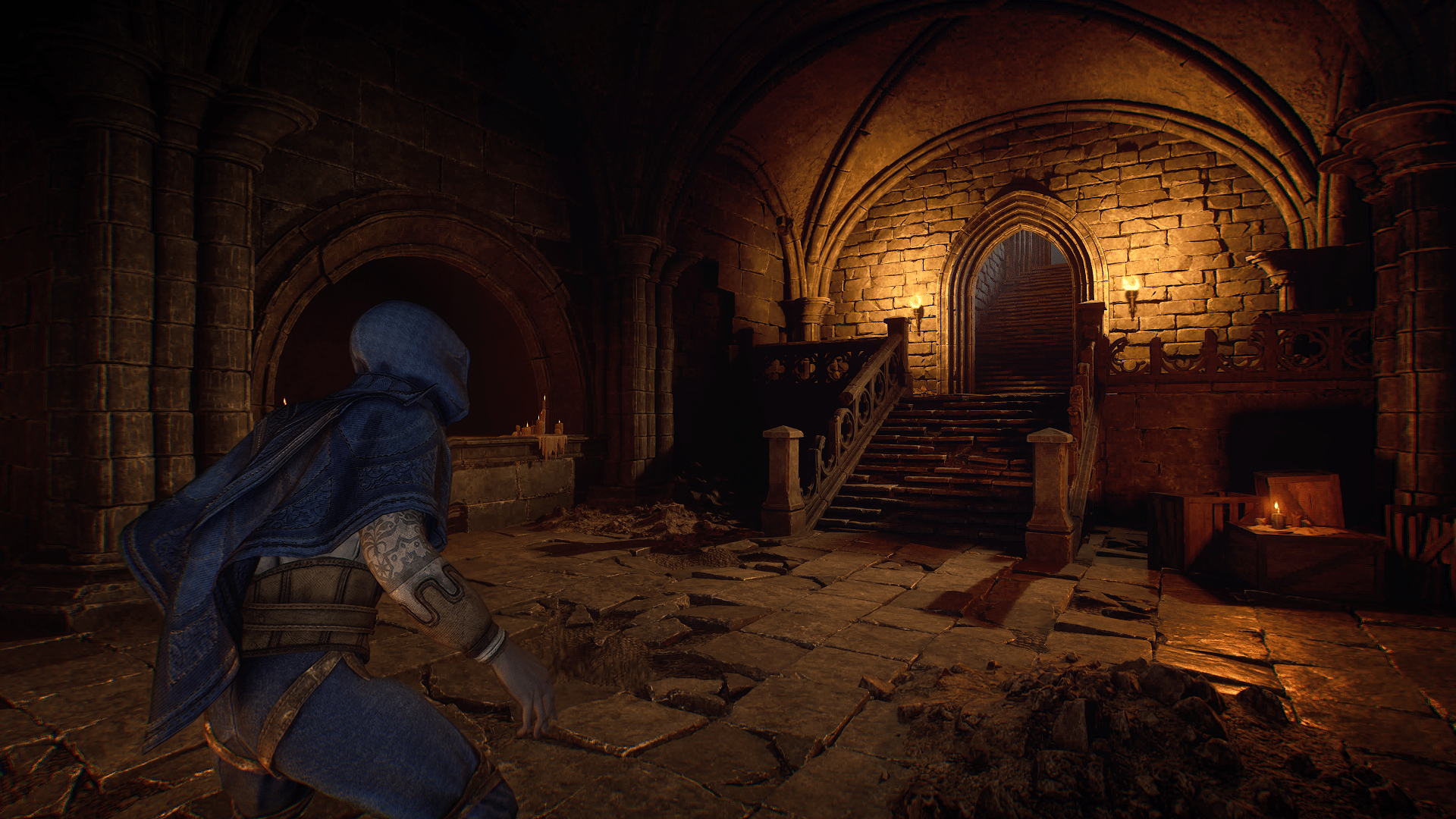
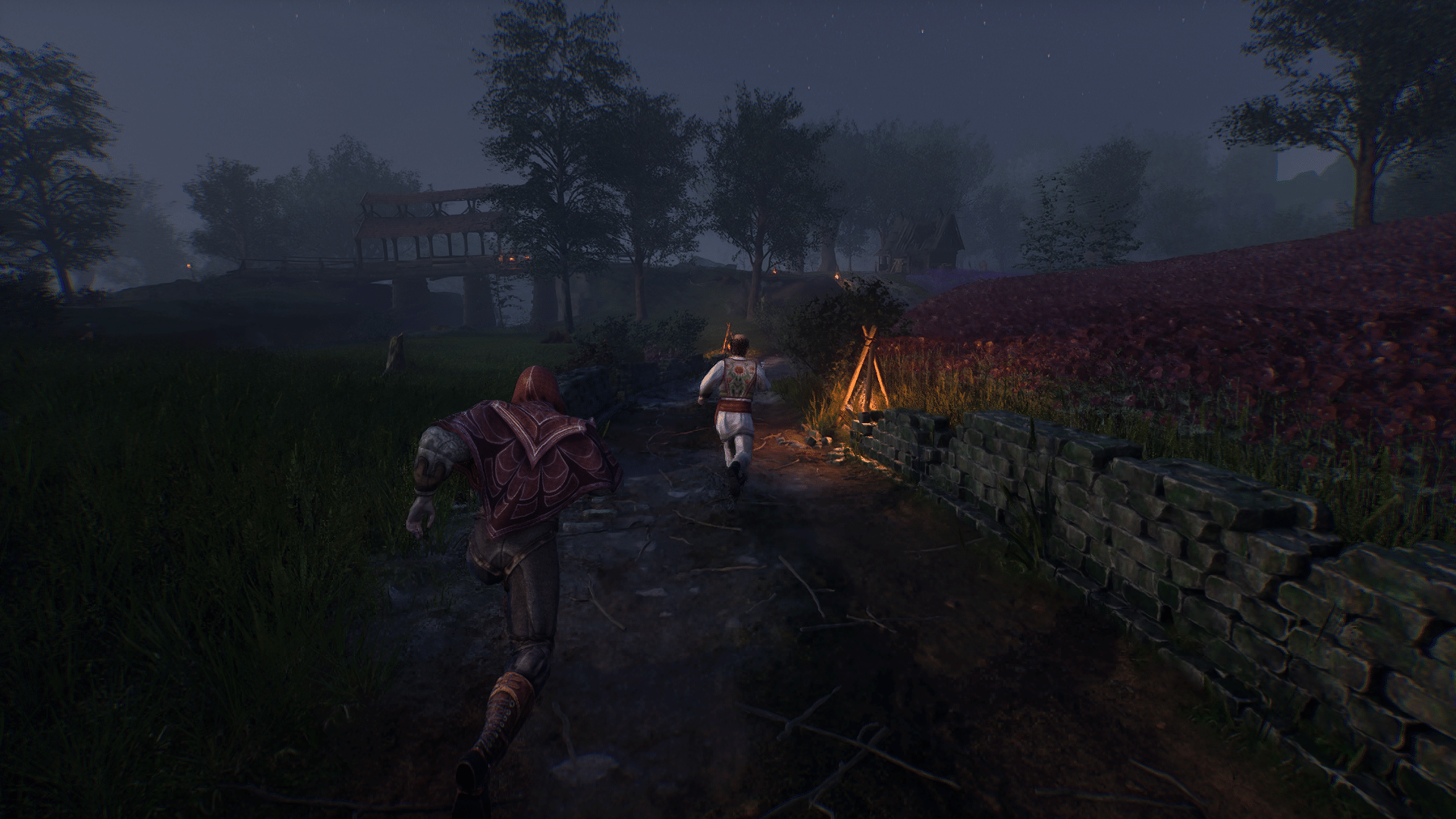
Whether you’re wandering through dark forests, returning to your castle after a successful hunt, or planning your next expansion, the game’s gothic presentation consistently helps establish the mood. The soundtrack and ambient audio further strengthen that atmosphere.
The Areas That Need Improvement
As much as I enjoyed my time with the game, it’s important to remember that this is still an Early Access release.
Combat is probably the weakest system at the moment.
While functional, battles can feel repetitive after extended play sessions. Most encounters rely on similar attack patterns, dodging, and basic positioning. It works well enough to keep progression moving, but it lacks the depth and variety found elsewhere in the game.
Progression can also feel grindy in places.
There were occasions where I felt like I was waiting a bit too long for resources, upgrades, or production chains to complete. Fortunately, these feel like balancing issues rather than fundamental design problems, meaning they could be improved fairly easily through future updates.
The management tools could also benefit from better explanations and feedback systems to help players understand exactly what their vampire workforce needs.
Technical Performance
I also encountered a few crashes during my playthrough.
Normally, crashes would significantly impact my final impression, but in this case I think it’s important to view them within the context of an Early Access release.
The game is still actively being developed, and bugs are expected during this phase. While the crashes were frustrating, they weren’t frequent enough to ruin the experience.
That being said, I strongly recommend:
Save often.
Do not rely entirely on auto-save.
A couple of manual saves here and there can prevent a lot of frustration if the game decides to crash unexpectedly.
Active Development and Future Potential
Final Thoughts
Vampires: Bloodlord Rising is one of the more interesting Early Access titles I’ve played recently.
It’s ambitious, unique, and already offers a compelling mix of survival gameplay, settlement management, vampire roleplaying, and kingdom building. While other reviews have also pointed toward its strong foundation and promising ideas, they likewise note that additional polish, content, and balancing will be needed before the game reaches its full potential.
Most importantly, it accomplished something I genuinely didn’t expect:
It made me enjoy both building and management systems.
Those are usually two of my least favorite mechanics in gaming, yet I consistently found myself looking forward to improving my castle and optimizing my vampire workforce.
There are still bugs to fix, systems to refine, and content to add, but the foundation is already here.
If you’re looking for a fully polished experience, it may be worth waiting for future updates. However, if you’re a fan of vampire games, kingdom management, or simply enjoy seeing promising games evolve throughout Early Access, Vampires: Bloodlord Rising is absolutely worth keeping an eye on.
Verdict: Recommended (With Early Access Expectations)
Pros
- Strong vampire fantasy and atmosphere
- Surprisingly enjoyable castle-building mechanics
- Deep and rewarding minion management system
- Unique blend of survival, RPG, and settlement simulation
- Solid foundation with plenty of future potential
Cons
- Occasional crashes
- Combat can become repetitive
- Some progression bottlenecks and grind
- Management systems need clearer feedback
- Still rough around the edges in several areas
A promising vampire kingdom simulator that already succeeds at making complex management and building systems engaging, even for players who normally avoid those mechanics.
Discover more from DDO Players
Subscribe to get the latest posts sent to your email.